Retail Roof Leak Repair
Retail Roof Repair
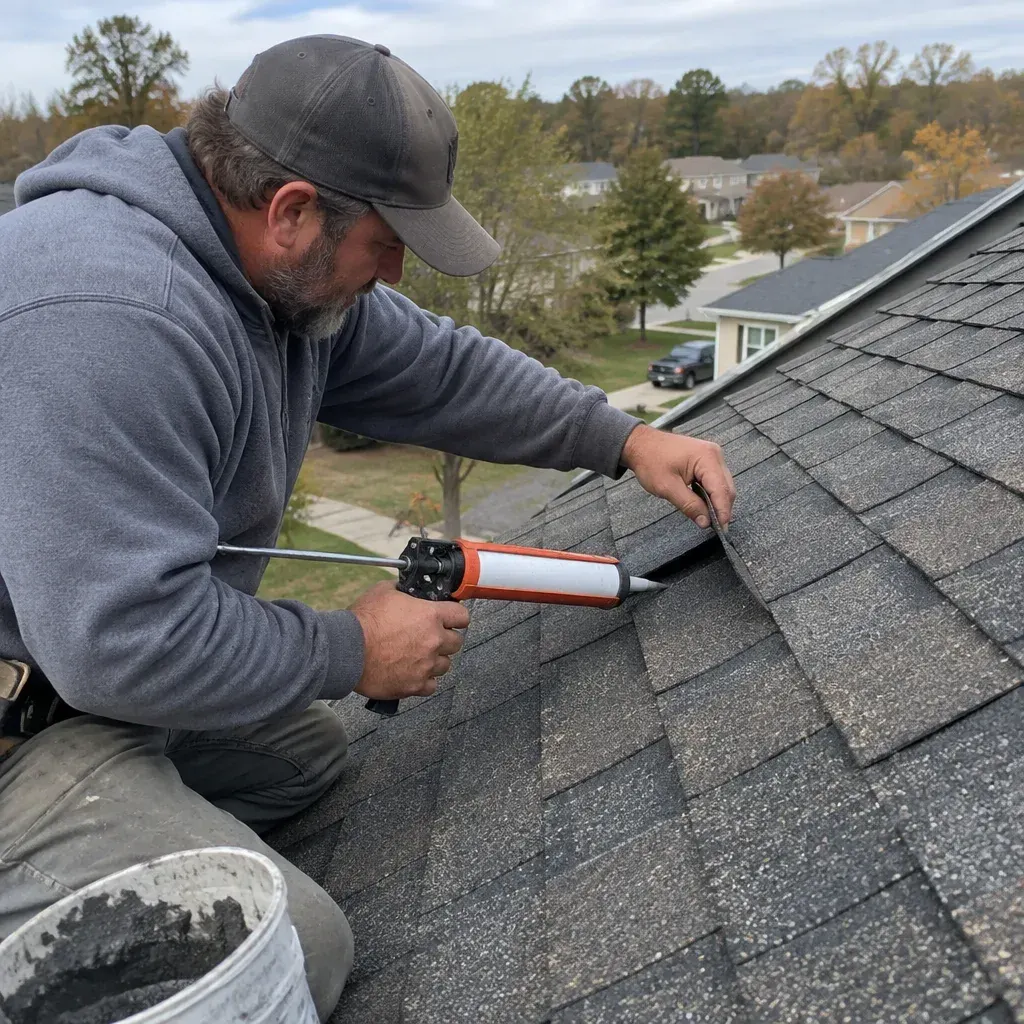
Warehouse leak repairs in Bethlehem, including facilities near Sand Island, South Bethlehem Greenway, and Route 145.
A roofer can compare reported leak locations with the roof plan, inspect nearby roof sections and penetrations, and trace the evidence to affected components. The repair should address the condition found, with records tied to the warehouse area so you can track the work and its effect on operations.
Start by matching each reported leak to the business activity beneath it, then give the roofer a roof plan that shows those locations and nearby equipment. In a Bethlehem warehouse, a drip over boxed stock may carry a different consequence than moisture above a loading or picking area. Water can also travel beneath the roof before it shows indoors, so the stain alone does not establish where repairs belong. The useful repair plan connects the affected operation to the roof area and the work that area needs.
Give priority to locations where wet goods, machinery, or interrupted tasks could affect deliveries or production. If a distribution center roof leak appears over a busy aisle, tell the roofer what moves through that zone and when the space can be approached. That context helps the pros we connect you with discuss inspection order and coordinate access around your schedule. For Bethlehem facilities, separate each report by building and interior area so one urgent location does not blur the needs of another.
A simple site drawing can help connect indoor reports with the broad roof above them. Mark the storage rows or work areas, then note roof equipment and any visible ceiling marks by their position. A Bethlehem site plan might use Route 145 or the Lehigh River as an orientation reference when that helps someone find the property, but the building layout should carry the detail. This gives the roofer a practical starting point for discussing where to look and what operations could be affected.
A warehouse roof covers more ground than a single stain suggests, so ask how the proposed inspection will account for the surrounding roof area. The roofer can compare reported interior zones with accessible roof sections and note whether nearby materials show related wear or damage. That wider view matters when a leak sits near stored goods or active work: a repair should address the conditions found around the affected area, not rely on an indoor mark as a precise map.
On many commercial roofs, water can enter around joints, penetrations, or seams. Flashing is the material used to seal transitions and openings; if it has separated or deteriorated, the gap may let water beneath the covering. Depending on the roof, the pros we connect you with may consider flashing, vent boots, valleys, or flat-roof seams as part of the repair discussion. For a Bethlehem property, ask which observed component the proposed work is intended to correct.
| Affected zone | Site activity | Roof finding |
|---|---|---|
| Leak location | Building grid, bay, or aisle reference | Give the roofer a clear starting point |
| Goods at risk | Pallets, cartons, or sensitive materials below | Show where a leak could disrupt stock |
| Work impact | Affected equipment, process, or staff area | Clarify which areas need repair access planning |
| Roof reference | Grid point, seam, or roof transition | Narrow the search across a broad roof |
| Roof equipment | Vents, drains, curbs, and nearby flashing | Identify details for the roofer to examine |
| Water pattern | Stain edges, drip points, and wet materials | Compare indoor signs with roof conditions |
| Repair record | Inspection photos, findings, and proposed scope | Keep the basis for work easy to review |
| Map context | Bethlehem, Bethlehem Township, or a mapped landmark | Facility street address and roof section |
Once the roofer has reviewed the affected area, the repair scope should match the conditions found and the roof material. A localized defect may call for work on one component, while damage extending across a section could require a broader plan. Ask what evidence supports the recommendation and how the work relates to the indoor impact you reported. For industrial roof repair in Bethlehem, a clear link between finding and scope helps you judge whether the proposed work addresses the business concern.
Roof access needs to fit both the building and the work happening below. Wet or steep surfaces can be hazardous, and inspection requires suitable equipment and fall protection. Tell the roofer about access controls, active vehicle routes, and any periods when roof work would conflict with deliveries. In Bethlehem Township, as at other sites, the facility contact can help arrange entry and explain which areas need coordination before the pros we connect you with begin work.
A repair can affect the floor area beneath the roof, even when the work stays overhead. Identify aisles, stored materials, and equipment near the planned work zone, then ask how the roofer expects the area to be managed while repairs are underway. This gives your operations staff a chance to plan around the work and keeps the repair discussion grounded in the way the warehouse actually functions. Share any site rules before agreeing on a work plan.
Ask for records that connect what staff saw indoors with what the roofer observed on the roof. Photos can show the affected ceiling area and relevant roof components, while a written account can identify the locations reviewed and summarize the findings. For a Bethlehem facility, keep these materials with the building and roof section they describe. That makes it easier for a property manager to explain the issue to colleagues and track what work was recommended.
The repair description should name the roof area and component involved, then state what the proposed work will address. If the recommendation includes more than one task, ask how each relates to the documented condition. A useful written scope also clarifies any limits in what was reviewed, so your team understands what the contractor evaluated. Keep the description with the facility records; it can help compare the completed work with the original findings and the operational concern that prompted the call.
The cost of a leak inspection can vary with roof size, access, the number of affected areas, and how much documentation you need. A large Bethlehem warehouse may require more time to review than a small, clearly accessible section, but the roof plan and reported locations help frame the discussion. Ask what the inspection includes, how findings will be recorded, and whether the proposed fee covers every area you want considered.
Repair costs depend on the roof material, the affected components, access, and the scope supported by the inspection. Permit requirements can also depend on the municipality, property, and work proposed, so ask which local rules apply before scheduling a larger repair. Bethlehem and Bethlehem Township are separate municipalities; do not assume the same review applies at both. The roofer can explain the proposed work, while you can confirm any applicable requirements with the relevant municipal office.
Before contacting a roofer, list each affected building and the storage or work area beneath the reported leak. Add roof equipment above those locations, access limits, and any operating periods that matter for coordination. A Bethlehem site map can include a nearby reference such as Housenick Memorial Park or Nancy Run if it helps distinguish the property, alongside a clear building label. These notes give the pros we connect you with useful context for discussing inspection and documentation.
Start by ranking reported leak spots by what sits below them: exposed cartons, sensitive stock, and active picking lanes face different consequences when water gets in. For a Bethlehem facility, include a familiar reference such as the Lehigh River, South Bethlehem Greenway, or South Mountain Park when identifying the site. The pros we connect you with can inspect the relevant roof sections, check penetrations and seams, photograph damaged components, and define repairs from what is actually compromised. That order keeps inventory risk central as the repair is planned.
On a Bethlehem warehouse, a small wet patch can affect a much larger operation when it sits above pallet storage, conveyor equipment, or a work lane. A roofer should look beyond the visible drip and consider how the roof system continues across the surrounding area, including seams and penetrations. That wider view helps distinguish a repair to one damaged component from work that needs to extend farther. Near Sand Island, for example, a marked roof plan can help your team connect the affected zone to the facility layout without confusing it with another area.
Use the linked places to narrow down where roof leak work is offered in Northampton, then ask whether the pros we connect you with take calls at your address, includingCatasauqua, Bethlehem and Bethlehem Township. Before choosing a time, find out whether an assessment carries a fee and whether service reaches your address.
A warehouse or multi-tenant building may be priced by appointment, roof area, or a recurring service plan; $90–$350 offers a planning reference. Equipment needed to reach the roof, sections examined, and findings that call for repair can affect the final proposal.For a commercial property in Bethlehem, roof size and arrangement can add seams, edges, and penetrations to the inspection and parts list, shifting the price. When calling, describe the building footprint, roof layout, and where water appears, including whether the site is near Gristmill Park or Hellertown.See pricing guide for full repair cost bands; commercial overview walks through the routine behind scheduled commercial roof inspections.
Retail Roof Repair
Multifamily Leak Repair
Office Leak Repair
Start with the areas where water could damage sensitive inventory or interrupt active work, then note the aisle, storage zone, or process below each leak. Give the roofer those locations and identify nearby roof equipment as a reference. In Bethlehem, this lets the inspection start with the business impact you can see, while the roofer checks the corresponding roof areas and determines which components need repair.
Often, if the work area and access route can be coordinated with facility staff. Tell the roofer when the affected zone is busiest, where equipment or inventory must remain accessible, and which routes cannot be blocked. The roofer can use that information to plan work area by area and explain any disruption tied to the repair. The proposed timing will depend on the roof conditions and the work required.
A new stain in a previously repaired zone can mean the original condition remains, or that water is entering through a different nearby component. Compare the location with the earlier repair record and ask the roofer to check the surrounding roof area as well as the repaired spot. For Bethlehem facilities, keeping each report tied to its roof-plan location can help separate a repeat problem from a leak elsewhere.
Use photos that show both the indoor effect and the relevant roof area, with each image tied to a clear location on your facility plan. Keep the repair date and component information with those images so staff can tell which condition the work addressed. This gives a future roofer useful context if water appears again, and helps your team distinguish a new report from an older condition.
Mark affected storage and work zones, note nearby roof equipment, and contact the pros we connect you with to discuss inspection records and repair scope.
Call (610) 735-6069