Wind Direction and Roof Leak Repair
Check when the water first shows up and which way the rain was blowing. A wind driven roof leak can happen when gusts send rain across shingles and toward places that normally shed water downhill. That change in direction can expose a weak edge or joint to water from a new angle. In Bethlehem, note whether the leak starts with a particular wind direction; the pattern can help the pros we connect you with understand why the ceiling gets wet during some storms and stays dry during others.
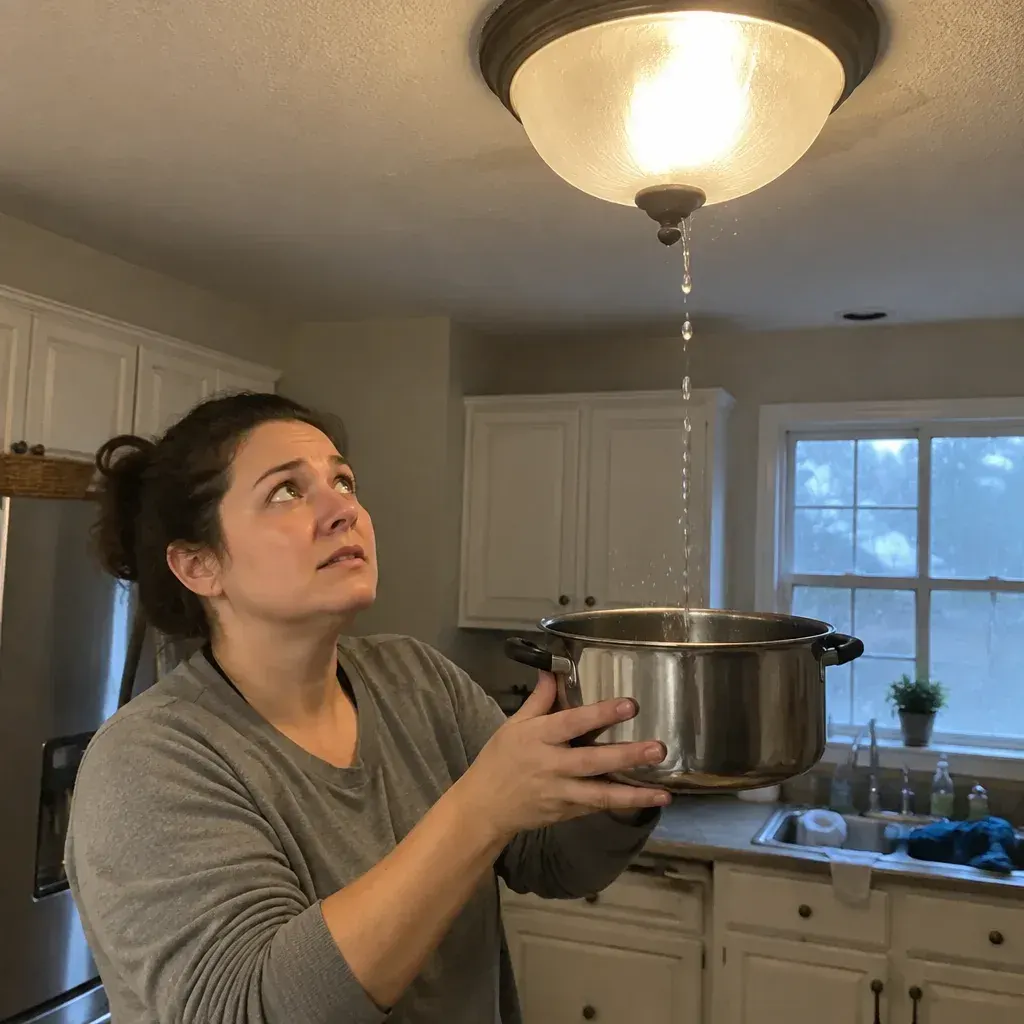
Note whether the first mark is a small spot or a broad patch, since its size adds detail to the leak record. If water appears as wind pushes rain toward one side of the house, the exposed roof area may differ from the one that gets wet in calmer conditions. A home near Monocacy Creek offers a useful local reference point when describing where you live, but the creek does not identify the leak source. Write down the wind direction, the room, and when the first mark or drip appeared so the inspection starts with your observations.
Roof Leak Repair at Roof Openings
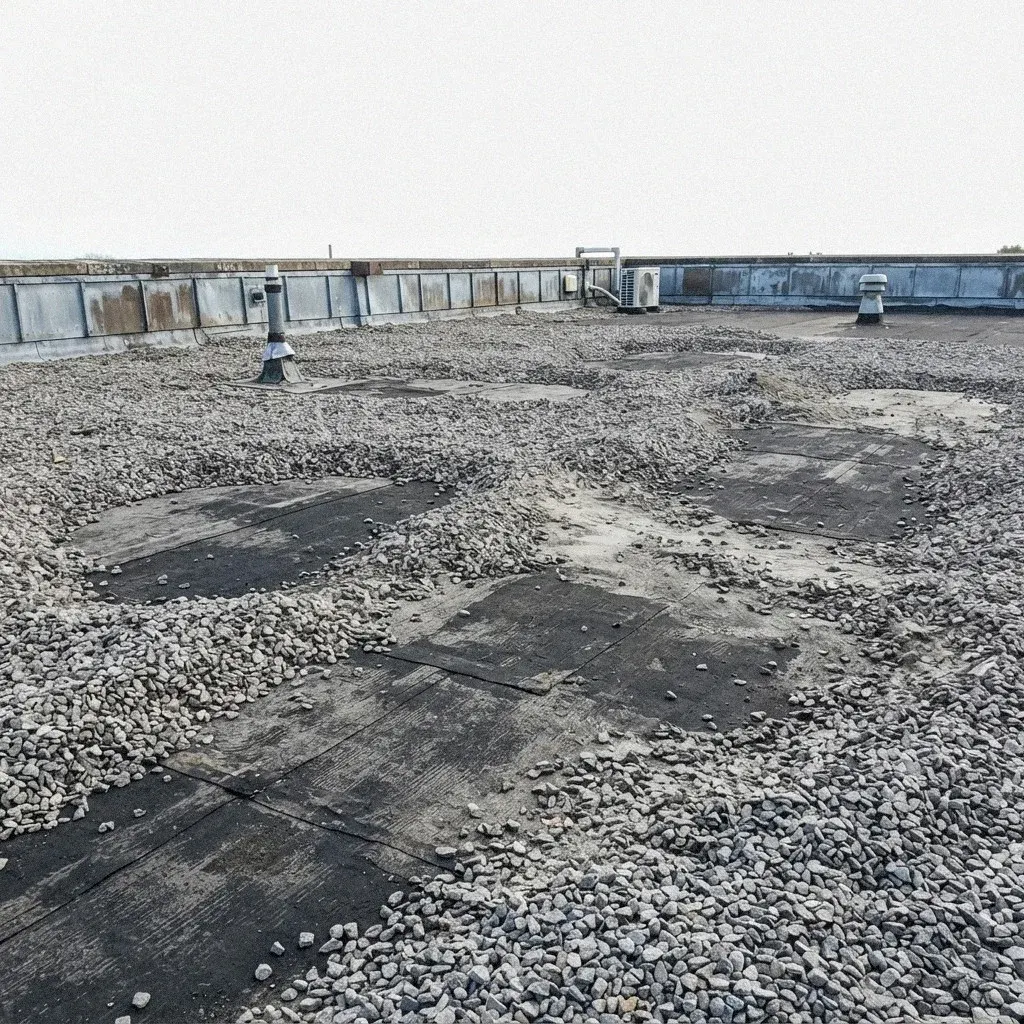
In Bethlehem, check the weather pattern first: a ceiling mark that appears only when rain blows sideways suggests a wind driven roof leak, with water reaching an edge or opening missed in calmer rain. Record the wind direction, first indoor sign, and storm timing. From the ground, note shifted roofing, eave staining, or debris near vents; indoors, note whether trim or ceiling shows moisture first. The licensed pros we connect you with can check whether damp insulation or roof decking is holding moisture beyond the visible ceiling mark. Keep off the roof.
A ceiling mark can form at a distance from the opening where water entered. Moisture may leave a trail on the roof deck or along framing before it becomes visible inside, so a spot near a wall does not prove that the roof opening sits directly above it. In Bethlehem, tell the roofer whether the mark is new, spreading, or accompanied by a drip. That description helps connect the indoor evidence with what is visible above, even when the two locations do not line up.
Roof Leak Repair Clues to Record
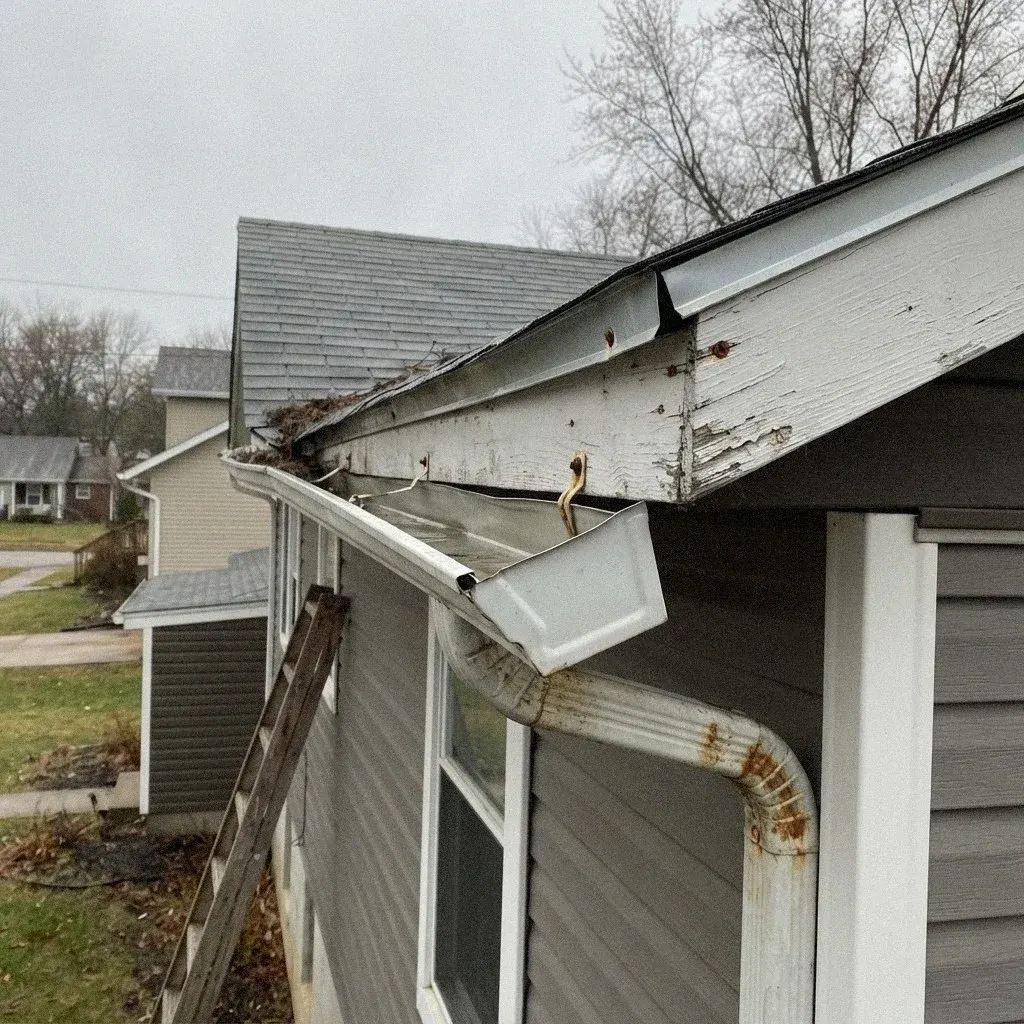
From the ground, look across the roof for an uneven shingle line, missing covering, or visible damage near a vent or seam. Do not treat one exterior clue as proof; a wind driven roof leak can leave signs that are difficult to see from below. If your home is near Route 145, use that road as a location reference when arranging the visit. Photos taken from a safe spot can give the roofer a clearer account of what caught your eye.
Record whether the wet area sits near a ceiling edge, a wall joint, or a window frame, to add detail to the indoor observations. Note when the mark changes in relation to the wind, and whether it stops after the gusts shift. A home near the South Bethlehem Greenway can be described by that landmark when you call, while the room and timing explain the leak itself. Keep those observations together; they make it easier to compare the indoor evidence with the roof areas exposed to that wind.
Roof Leak Repair After Wind-Driven Rain
Keep a simple record of what the storm left behind: dated photos of the ceiling mark and any visible roof damage, plus a short note about the wind direction and leak timing. Those details can help an insurer or property manager understand the condition you observed. If the ceiling begins to bulge or sag, treat that as a serious change and keep clear of the area. The pros we connect you with can review the signs and explain what the inspection found.
When arranging a roof inspection in Bethlehem, tell the roofer which way the wind came from, when the leak began, and where water appeared indoors. Mention whether the mark changed as the gusts shifted, and share any photos you took from a safe location. If you are near the Lehigh River, that can help identify your part of the city; the roof evidence and timing are what help describe the leak. Ask the pros we connect you with to explain which findings support their conclusion.
Dealing with a roof leak at your home?
If you’re in Bethlehem near Silver Creek, Catasauqua Creek, or Old Allentown, call (610) 735-6069 to reach the pros we connect you with. Explain whether water is entering now or you’re arranging a check after a leak has stopped. Ask if your address is within their service area, what appointment times are available, and whether a visit has a charge. Once the roof and attic have been inspected, the findings can show which components need attention and what repair options fit their condition. Keep photos of visible damage and ceiling stains with your notes to compare with the inspection findings.